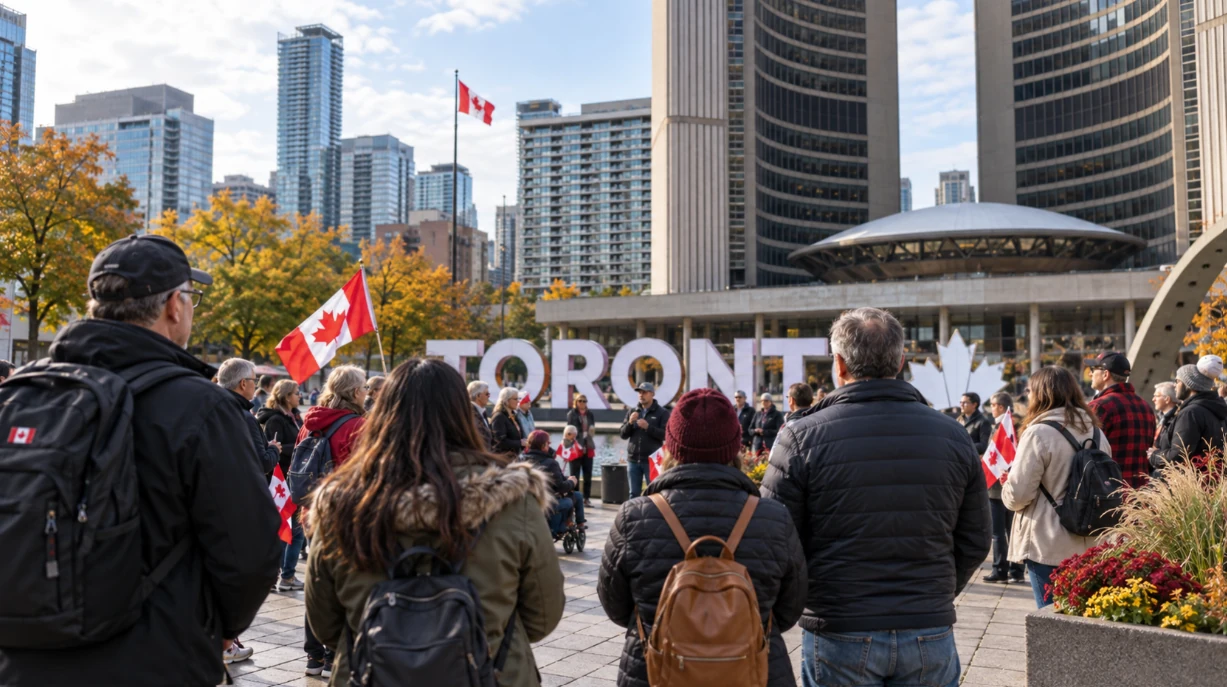
A community conversation becomes easier to join when its starting question is clear. What is happening in this place? Who experiences it? What would people like to understand or improve? Begin there, and an abstract issue has a local shape.
Describe the concern in ordinary words.
Write a short account of what you have noticed, keeping observation separate from explanation. A sentence about a place, a service or an experience is more useful than assuming everyone has the same concern. Invite another person to describe the situation in their own terms.
For illustration, a resident might say, “I would like to understand how this shared space is used at different times.” That opens a different conversation from announcing that everyone wants a particular change. The example is a writing exercise, not a quotation from a Toronto resident.
Ask what information is missing. You may need a current notice, a project page, a contact for the space or simply more time to hear from people who use it. A first meeting does not have to settle every question.
Find the path that matches the question.
The City’s Get Involved directory brings together consultations, community initiatives, volunteering and other ways to participate. Those routes provide a useful starting map; independent groups and neighbourhood conversations have their own organisers and purposes. Explore Get Involved
For a City project, read its current engagement page before composing a response. Identify the issue being discussed, the input being requested and any dates shown there. Keep the original page with your notes so you can return for an update. Find a City engagement project
For a practical contribution, the City’s volunteering directory lists programme areas and opportunities. Review each role’s current description and requirements directly. A directory entry is a starting point for enquiry, rather than a promise that a place is available. Read the volunteer directory
Make the meeting useful to a newcomer.
If you are joining a discussion, ask for the topic and the intended format beforehand. During the conversation, note questions as well as proposals. Give an idea time to become clear before deciding whether you agree with it. People can share an interest in a place while disagreeing about what should happen there.
If you help summarise a discussion, use a simple structure: what was raised, what information was checked, what remains open and what someone has agreed to do next. Ask before attributing words or commitments to another person. Keep personal details out of a public summary unless there is a clear reason and the person has agreed.
Know when a conversation enters a formal record.
For a specific agenda item, Toronto explains how to send written comments or request to speak at a committee or board. Read the participation and privacy instructions first: written submissions and presentations form part of the public record. Council and committee instructions
A private neighbourhood conversation and a formal public submission serve different purposes. Decide which information is relevant to the item, confirm the current process and use the City’s own contact route. This publication does not receive or forward official submissions.
A useful follow-up can be modest: share the source that answered a question, check whether an update has appeared or invite someone to explain an experience you have not yet heard. The gathering notebook offers a short way to prepare for that next encounter.
Explore the original resources.
Primary sources reviewed on 11 October 2026. Consult the current official listing for dates, availability and participation instructions.